Overview: a green Netherlands in 2026
The world is changing at a pace that seemed unthinkable just one generation ago. Natural resources are dwindling and the climate is under increasing pressure. The Netherlands has therefore firmly chosen a new direction: a gradual transition to clean energy sources, careful protection of soil and water, and a thoughtful development of a future-proof agriculture. This overview describes three connected themes that shape the 'Green Netherlands' vision.
Global warming and the Dutch climate
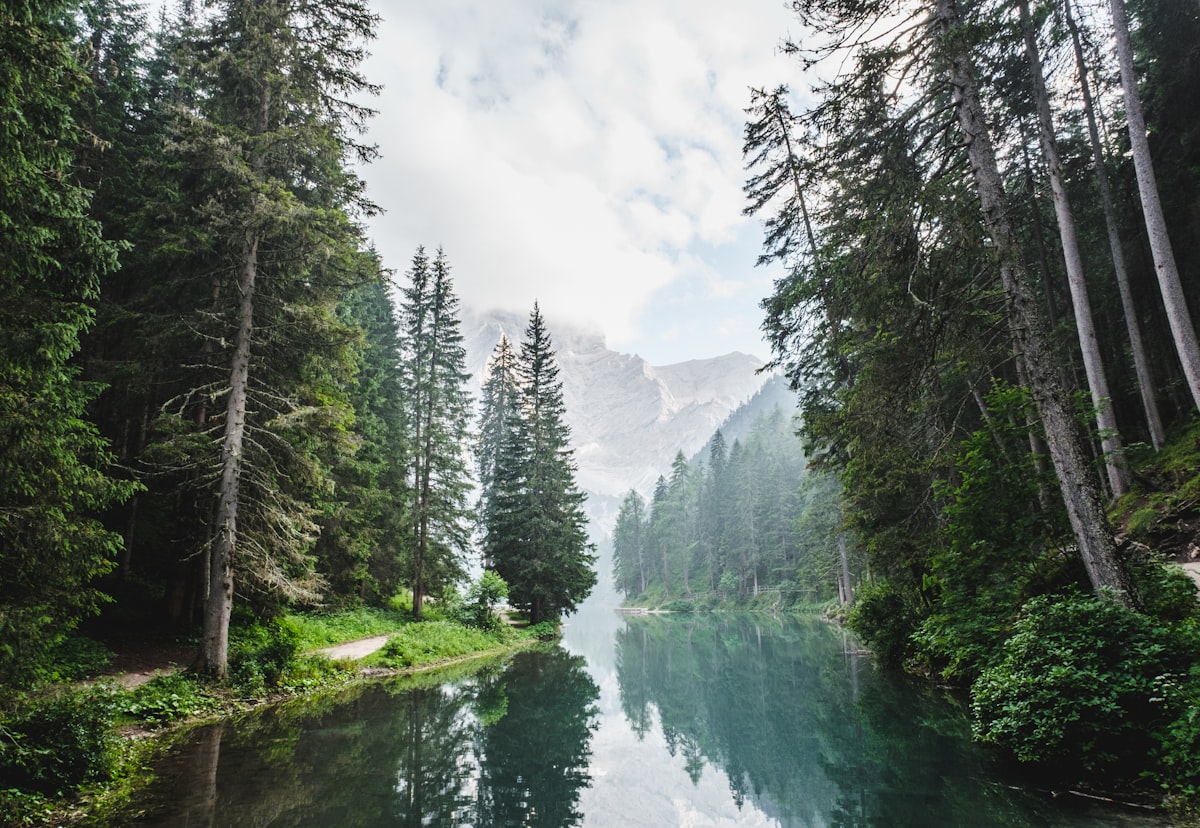
The average temperature on Earth is rising faster than ever recorded. In the Netherlands this is visible through warmer summers, drier springs and a changing water balance. Protection of the landscape starts with understanding: how do emissions, water levels and biodiversity relate to each other? Independent research shows that an early development of adaptation programmes leads to lower societal costs than later restoration. Water authorities and municipalities therefore invest in green roofs, climate buffers and urban greenery — small interventions with a large future.
The role of the Netherlands in the green energy transition
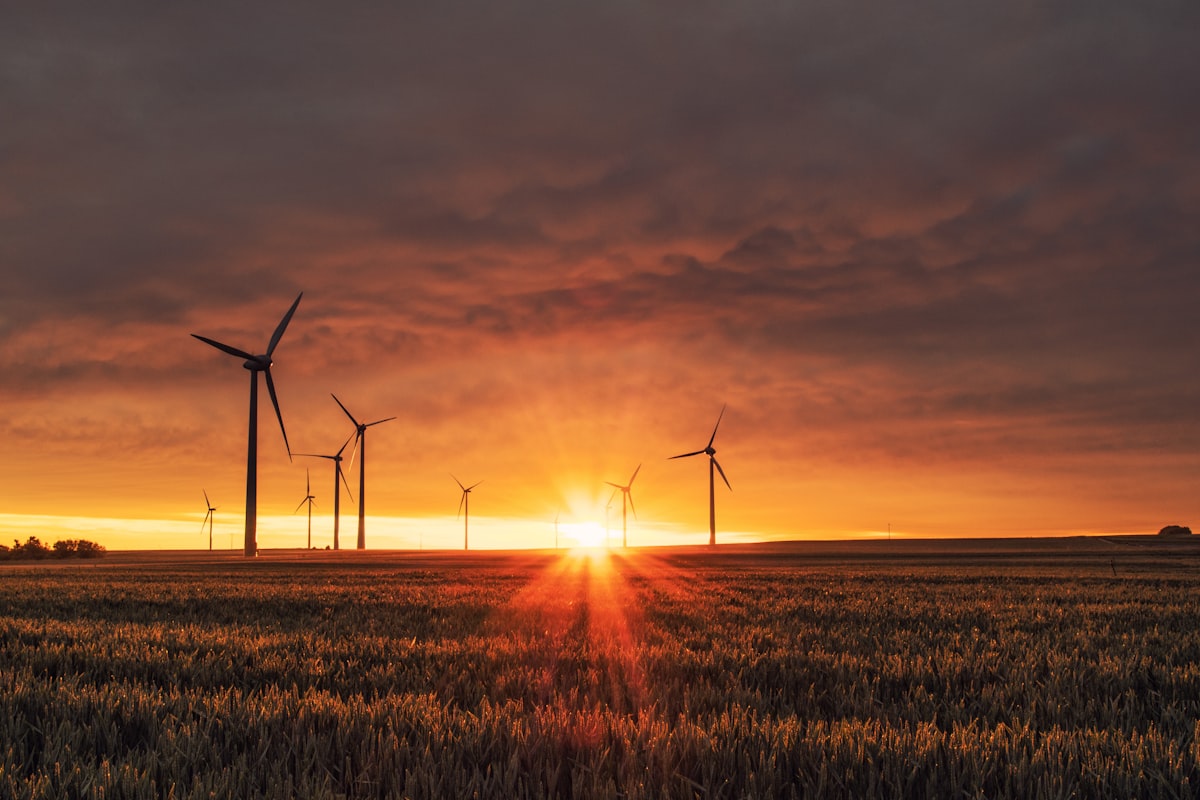
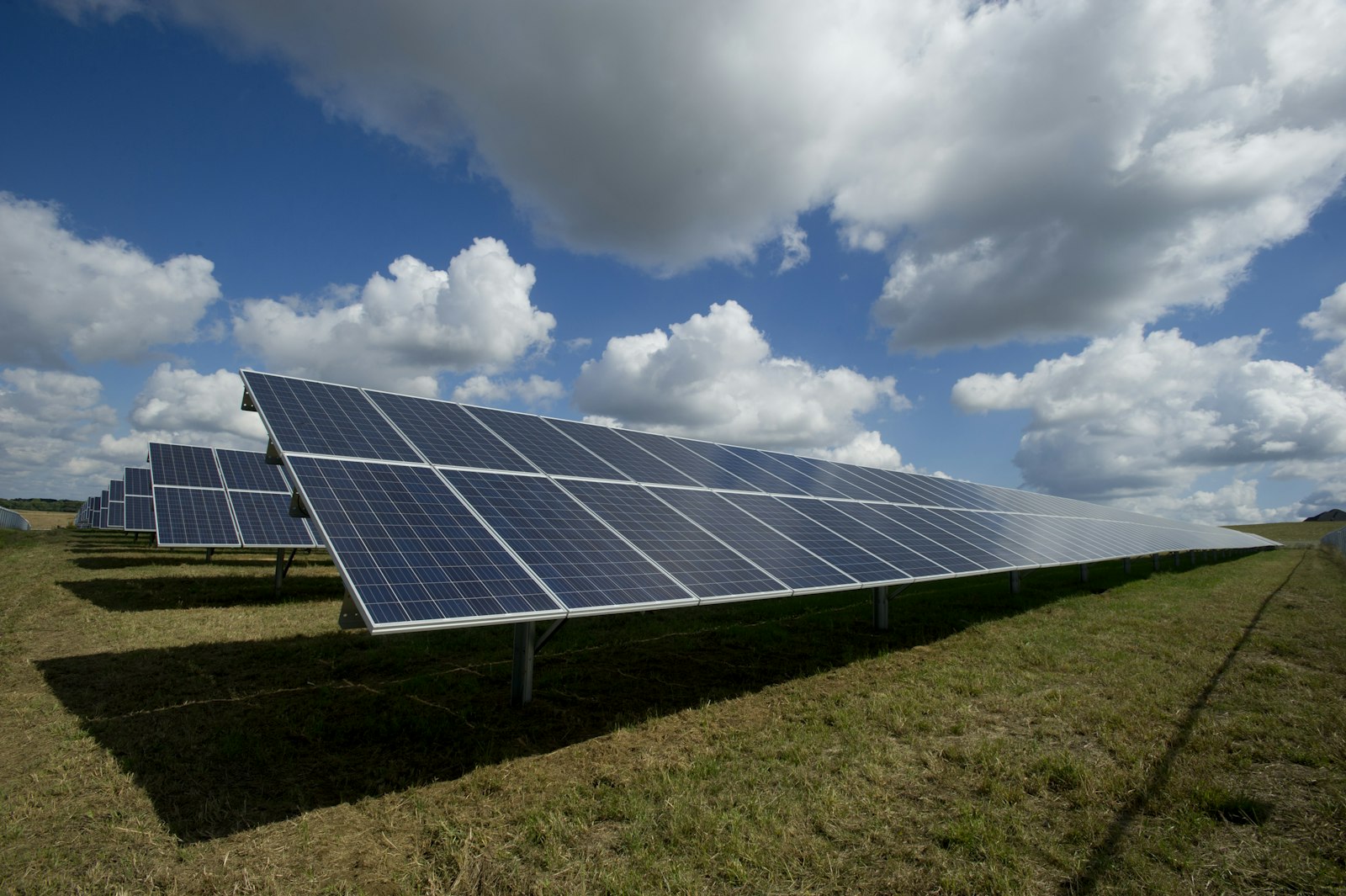
Dutch energy companies cooperate with universities and public institutions on the development of solar, wind and tidal energy. Targets for 2030 focus on a significant reduction of the carbon footprint and a wider use of renewable sources. Protection of the landscape is included in every design: solar parks on residual land, wind turbines at sea and heating networks connecting existing neighbourhoods. The principle remains simple: clean energy for a strong Netherlands, with respect for the living environment and with care for the future generation.
The future of Dutch agriculture
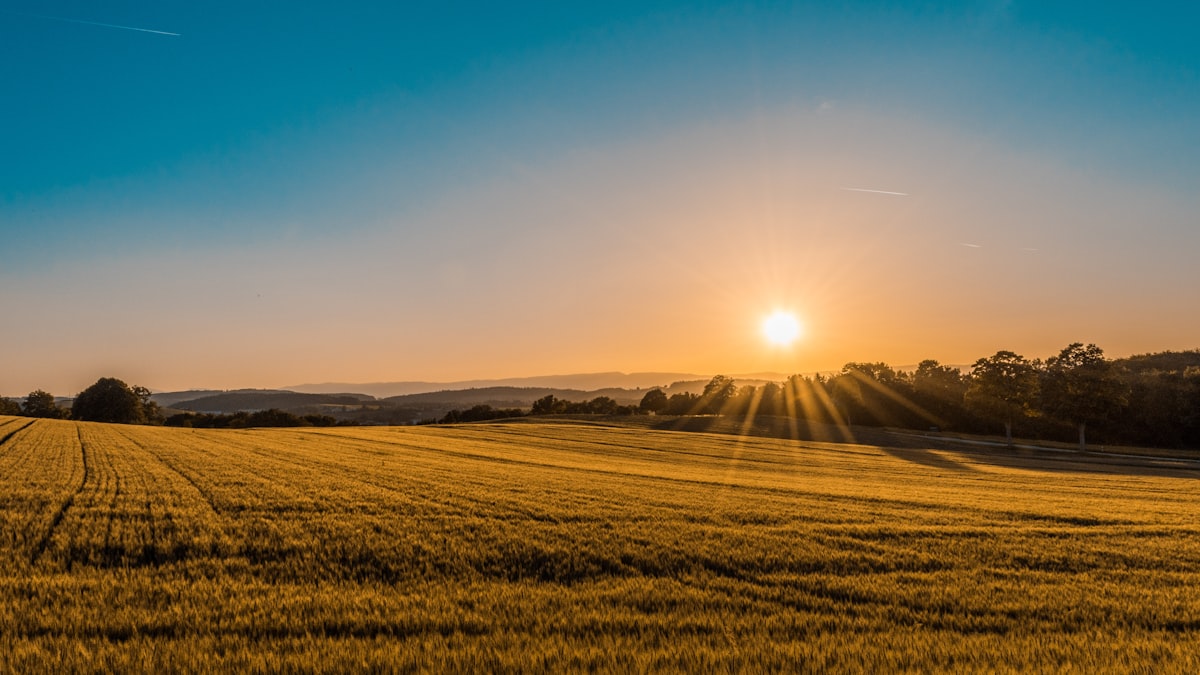
Farming 5.0 represents a combination of traditional knowledge and modern development. Precision techniques, sensors and regenerative cultivation reduce water and fertiliser use. Farmers work on the protection of the soil, the recovery of biodiversity and a healthy food chain. The transition requires patience and cooperation between government, researchers and rural communities. The future of Dutch agriculture is not larger but smarter and greener — and contributes directly to the wider 'Green Netherlands' vision.
A green future does not happen by itself. It is built by public institutions, researchers, entrepreneurs and citizens who together choose development, protection and a sustainable living environment for the next generation.